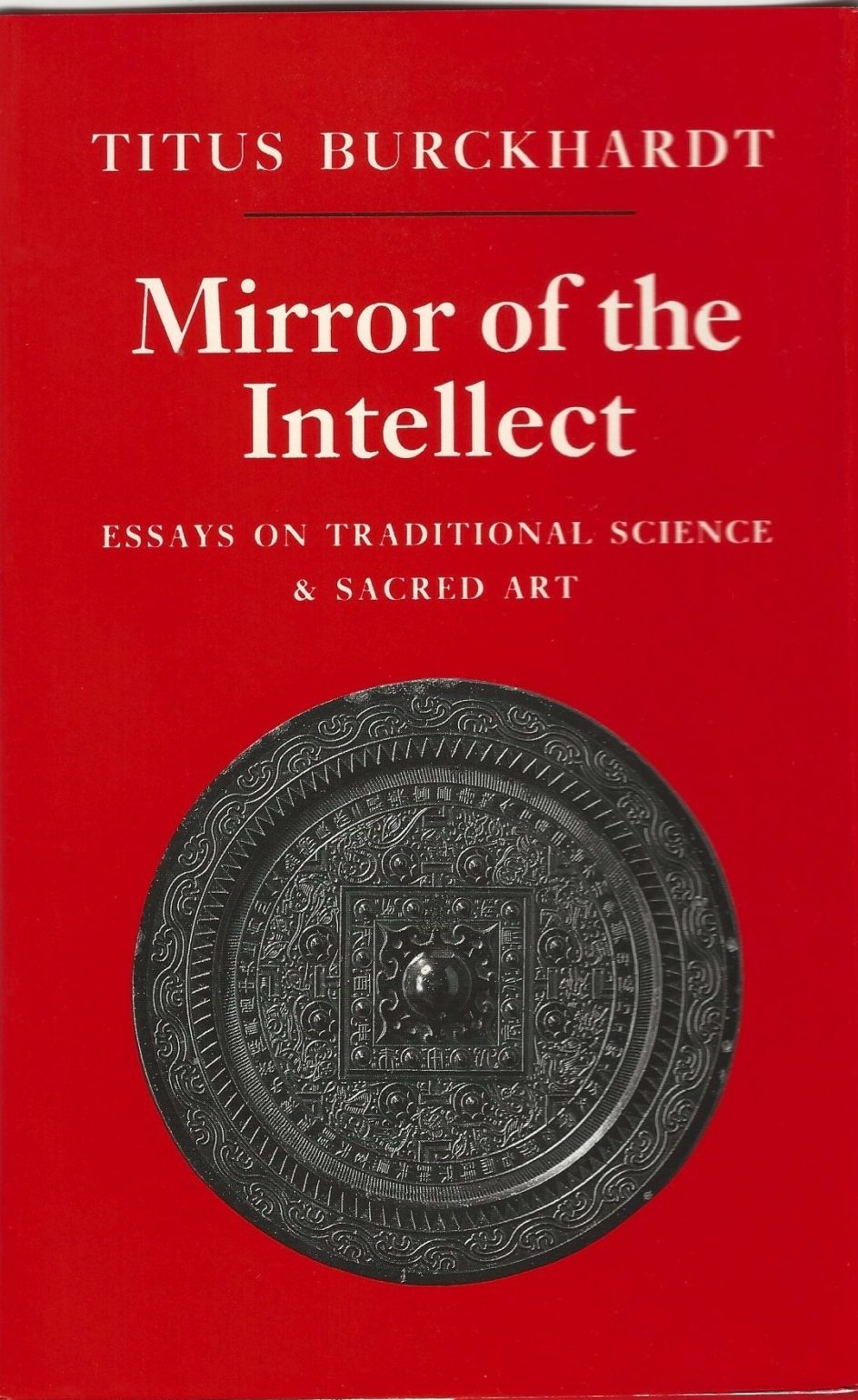
Mirror of the Intellect: Essays on Traditional Science and Sacred Art
$29.66
$56.34
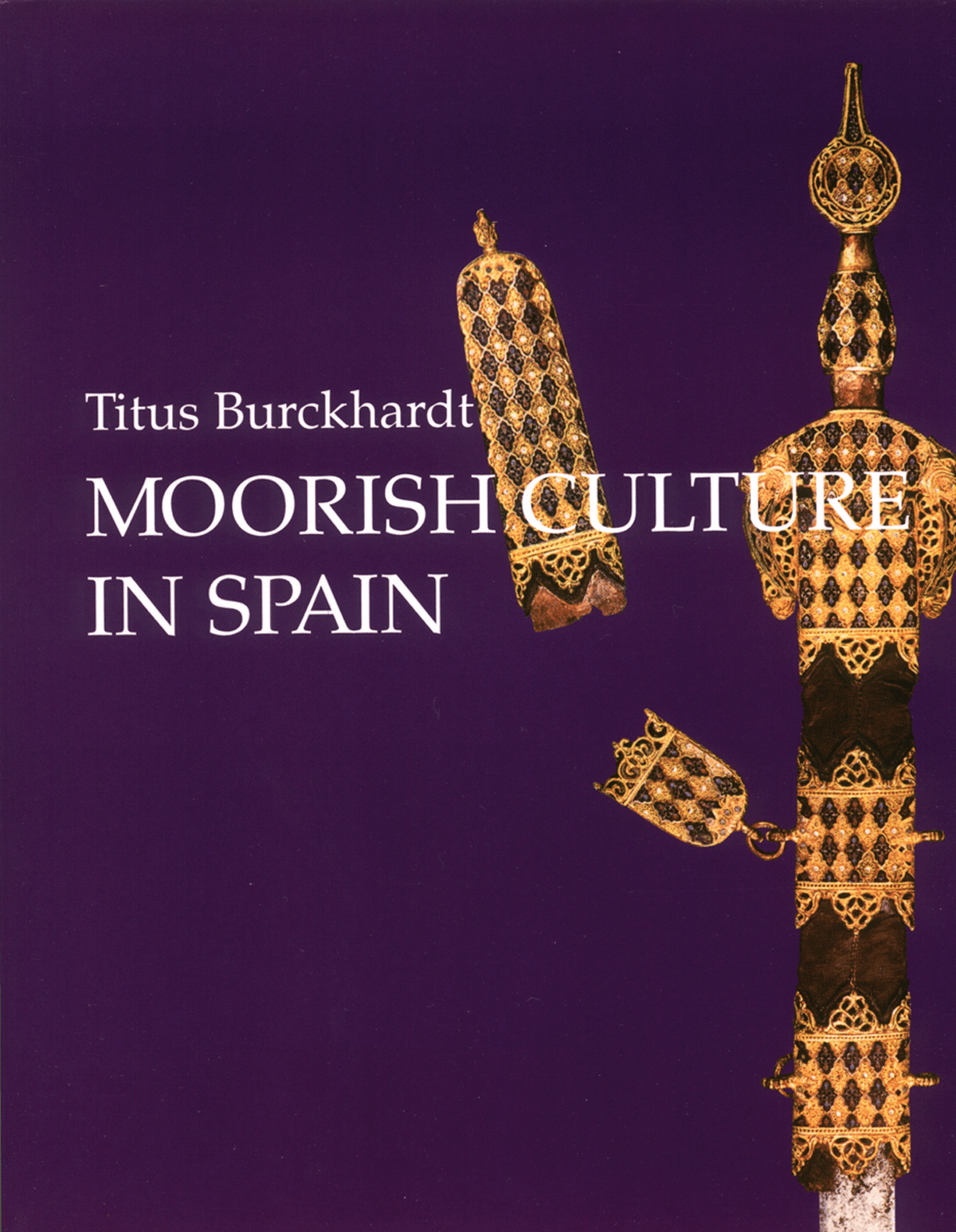
Product Description In this collection of essays, the author shows how the symbolist perspective cultivated by the Sufis offers insights into Islamic art as well as such topics as Russian icons, the Odyssey, chess, and the Sun Dance of the American Indians. The present volume represents a virtually complete collection of Burckhardt’s essays, originally published throughout his life in a variety of German and French journals. Reviews Beauty always represents an inward and inexhaustible equilibrium of forces; and this overwhelms our soul, since it can neither be calculated nor mechanically produced. A sense of beauty can therefore permit us the direct experience of relationships before we can perceive them, in a differentiated manner, with our discursive reason; in this, incidentally, there is a defence for our own physical and psychic well-being, something that we cannot neglect with impunity. Quoted from the book The heliocentric system itself admits of an obvious symbolism, since it identifies the centre of the world with the source of light. Its rediscovery by Copernicus (For it is not a case of an unprecedented discovery. Copernicus himself refers to Nicetas of Syracuse as also to certain quotations in Plutarch) however, produced no new spiritual vision of the world; rather it was comparable to the popularization of an esoteric truth. The heliocentric system had no common measure with the subjective experiences of people; in it man had no organic place. Instead of helping the human mind to go beyond itself and to consider things in terms of the immensity of the cosmos, it only encouraged a materialistic Prometheanism which, far from being superhuman, ended by becoming inhuman. Quoted from the book